Sep 2, 2026News & Insights
Why a 37-Inch LCD Bar Display Is a Versatile Commercial Format
A 37-inch LCD bar display offers a useful balance between visual reach and installation flexibility. It provides more room for information than a small shelf strip, while remaining...
Why a 37-Inch LCD Bar Display Is a Versatile Commercial Format
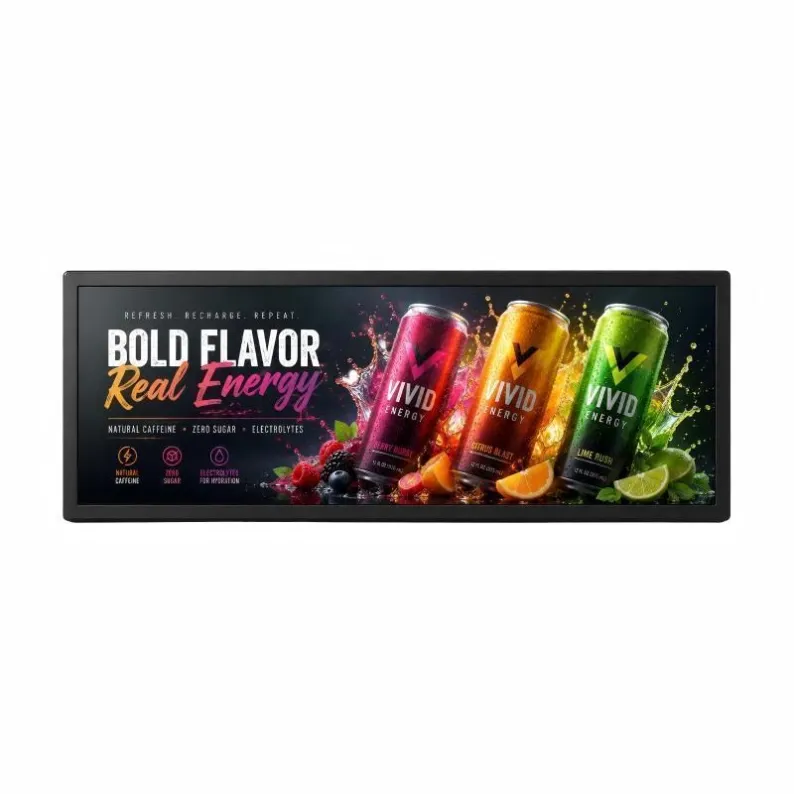
A 37-inch LCD bar display offers a useful balance between visual reach and installation flexibility. It provides more room for information than a small shelf strip, while remaining easier to integrate than a large conventional screen in narrow retail, transport, and public-service spaces.
A Practical Size for Multiple Industries
Digital Shelves and Store Windows
The wide format can follow supermarket shelving, refrigerated cabinets, counters, and shop-window structures. It can replace static promotional strips with scheduled pricing, product messages, and brand content. Networked versions allow authorized teams to update multiple stores from a central platform.
For bright windows or semi-outdoor positions, a high-brightness configuration may be required. Brightness levels such as 2,500 cd/m² are available only on certain engineered models and should be selected together with thermal management, panel lifetime, and local lighting conditions.
Passenger Information and Route Displays
In buses, metro cars, stations, and platforms, a 37-inch bar display can present stops, transfer guidance, arrival notices, and operational messages in color. Transport configurations may require wider temperature tolerance, vibration resistance, suitable power protection, and compliance with project-specific standards.
Public-Service Information
Banks, hospitals, government service halls, exhibitions, and control centers can use the screen for queue numbers, service guidance, schedules, notices, and dashboards. A wide format such as 32:9 creates a clean information band that can remain readable without dominating the room.
From Display Panel to Managed Terminal
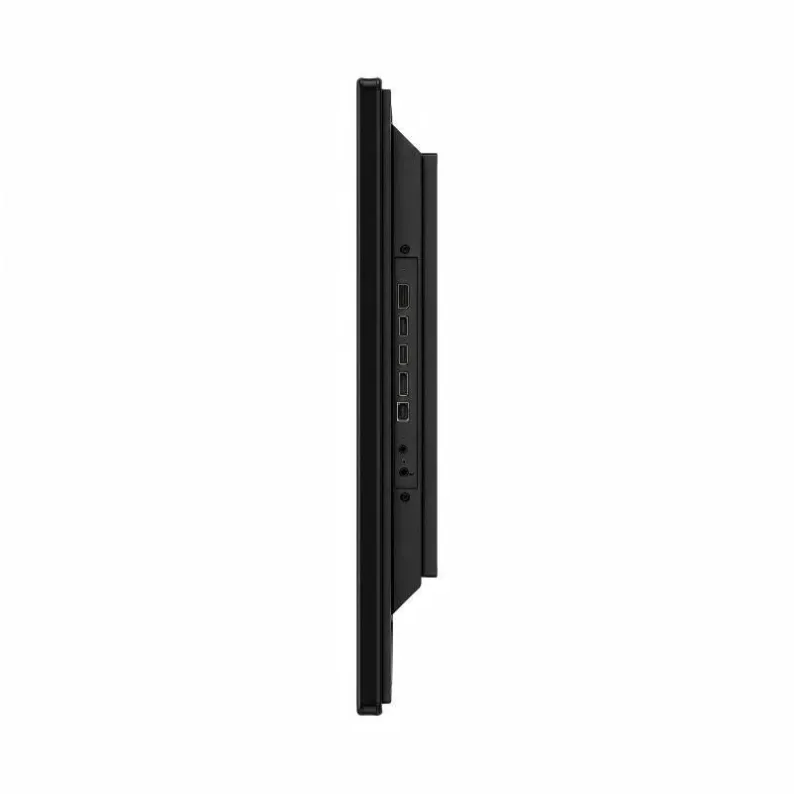
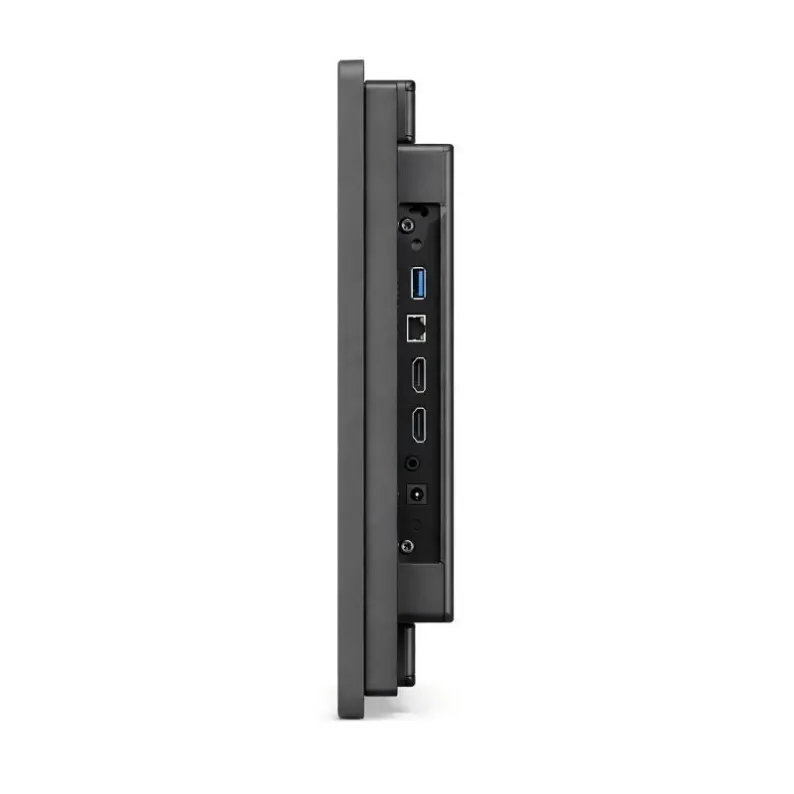
An integrated version can include Android or x86 Windows hardware, Wi-Fi or Ethernet, scheduling, remote monitoring, and multi-zone playback. Interfaces may include HDMI, VGA, DVI, RJ45, or RS-232 depending on the controller and customization plan.
Commercial reliability depends on the complete design—not just the LCD panel. For continuous operation, the enclosure, backlight, power supply, control board, airflow, and ambient conditions must be evaluated together. When properly specified, the 37-inch format combines clear image quality, efficient space use, and manageable content operations in one versatile platform.
Use the Width as a Structured Content Zone
A 37-inch bar display can support one continuous banner or several coordinated information zones. A retail layout might combine a product cue, price, and short benefit; a transport layout can reserve areas for route progress, the next stop, and alerts; an equipment interface may align status blocks with physical controls. The zones should share a clear hierarchy rather than look like unrelated miniature screens.
Typography should be tested at the real viewing distance. The long canvas can tempt designers to add too much text, but height remains limited. Native-resolution artwork, generous spacing, and strong contrast help maintain clarity across the full width.
Confirm the 37-Inch Mechanical Fit
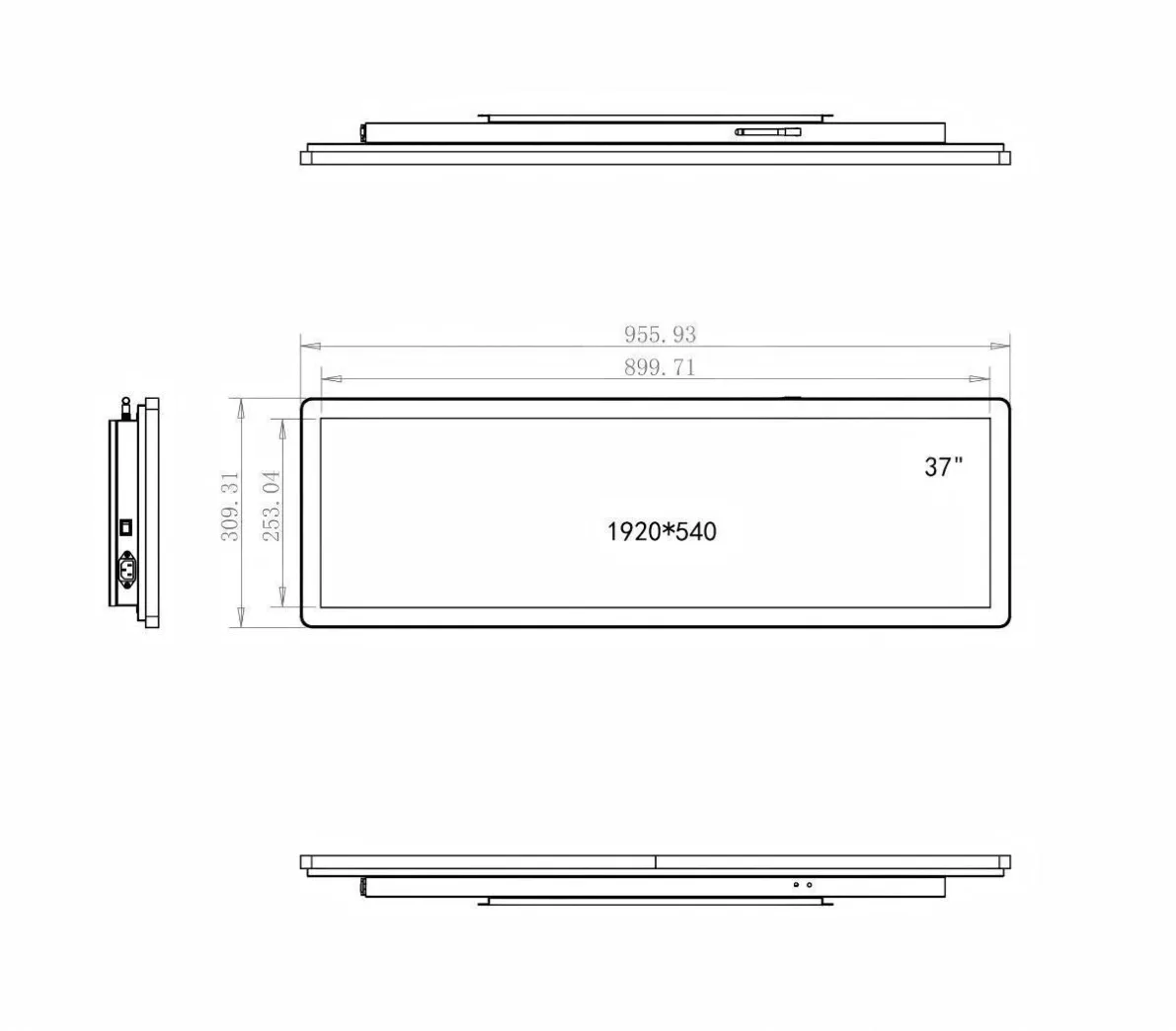
The diagonal label alone is not a mounting specification. Confirm the active area, outer dimensions, depth, weight, bezel, mounting points, connector location, and cable bend radius. Compare these values with the fixture opening and allow space for ventilation and removal.
Brightness, touch, player platform, input type, and orientation should follow the application. A shelf or equipment panel may prioritize shallow depth and close-range clarity, while an overhead information screen may require wider viewing angles and stronger luminance. Sample testing links these configuration choices to the intended content and installation.