Sep 2, 2026News & Insights
Breaking the Rectangle: How Bar Displays Fill the Gaps in Retail Design
A retail space is like a container already filled with products, fixtures, signs, and customer pathways. The remaining gaps are often too narrow for conventional digital signage. An LCD...
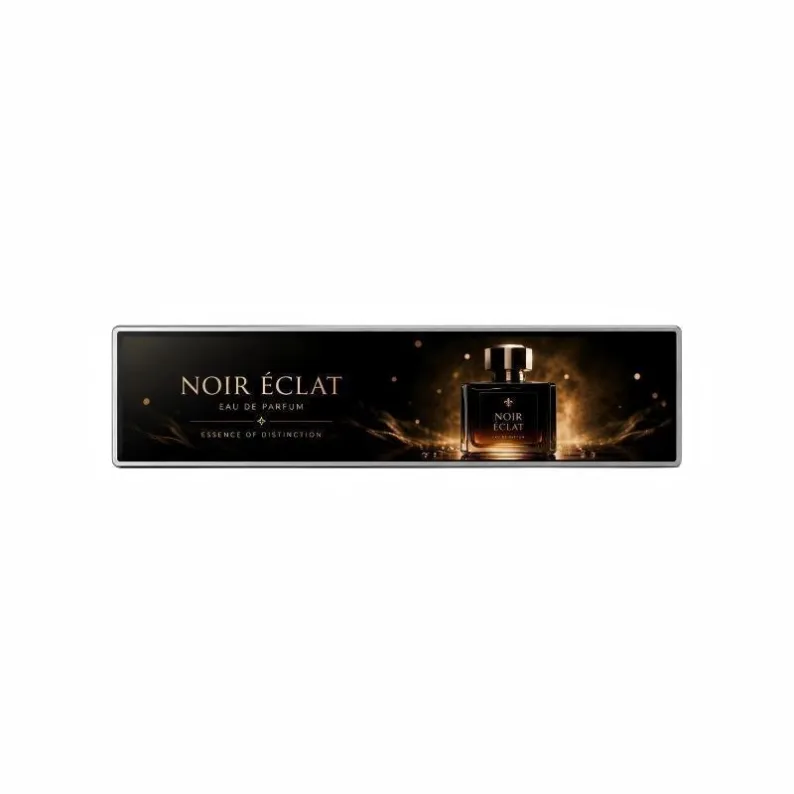
Breaking the Rectangle: How Bar Displays Fill the Gaps in Retail Design
A retail space is like a container already filled with products, fixtures, signs, and customer pathways. The remaining gaps are often too narrow for conventional digital signage. An LCD bar display acts like a flexible visual layer that can occupy those overlooked spaces without disrupting merchandising.
Why the Unconventional Aspect Ratio Matters
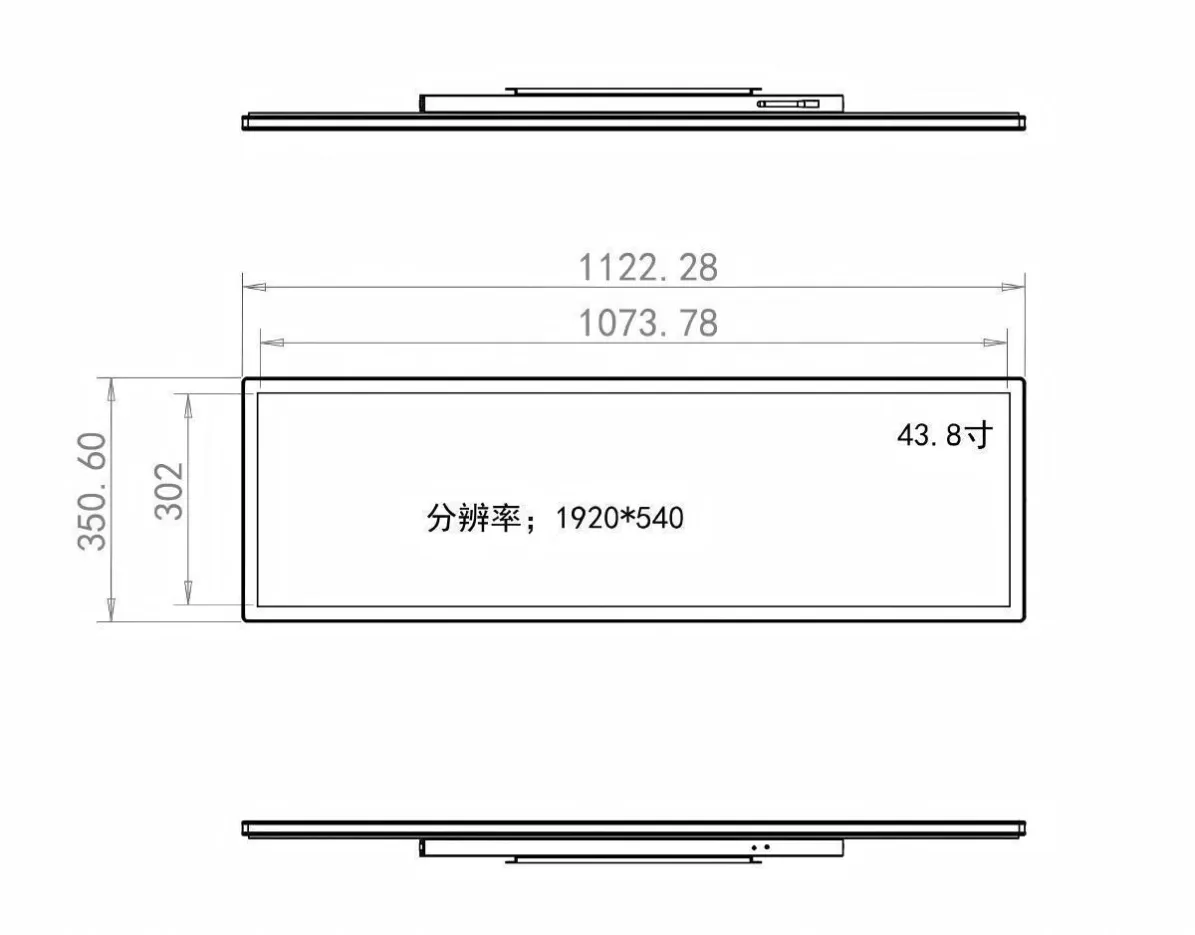
Most televisions and monitors use 16:9 or 4:3 proportions. A bar display adopts a much wider format, with layouts such as 21:9, 32:9, or a panel-specific stretched resolution. The narrower body can sit above a wall, along a shelf edge, inside a display unit, or across the top of a counter.
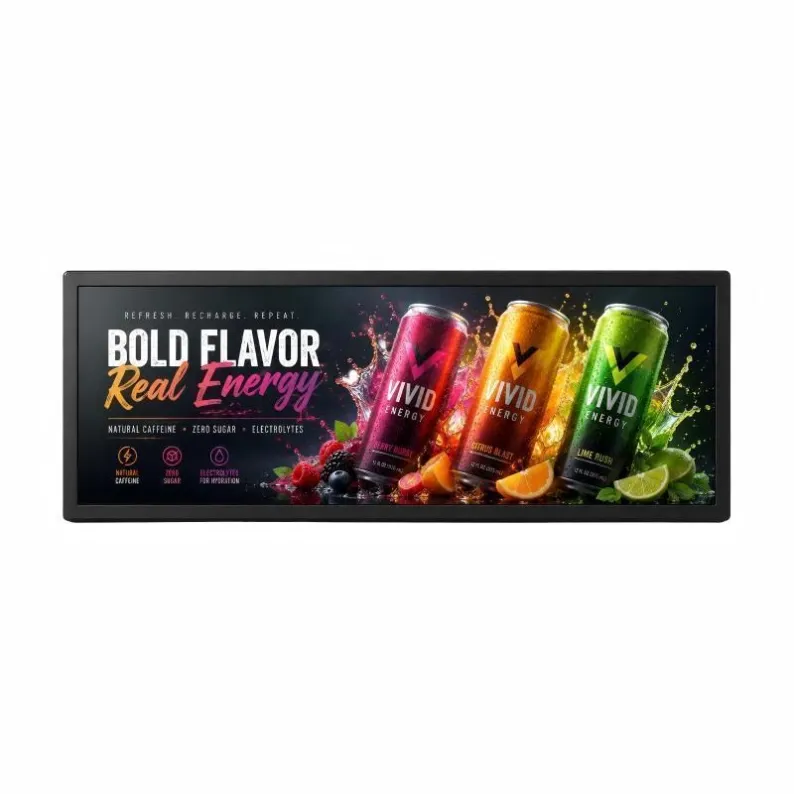
This shape is particularly useful for scrolling messages, panoramic video, price strips, route diagrams, and information that needs to remain visible across a long surface. Instead of forcing content into a standard rectangle, the interface can be designed around the physical environment.
Flexible Installation and Content Design
Bar displays are available in multiple sizes and can also be developed around a particular installation envelope. Several units may be aligned for a wider visual field, while a single unit can be installed horizontally or vertically when the hardware and content support that orientation.
The extended canvas can also be divided into zones. One area might show a product video, another a price or feature list, and a third a campaign message. Good content design is essential: simply cropping a conventional advertisement rarely uses the format effectively.
Retail, Hospitality, Transport, and More
Supermarkets can integrate bar displays into shelves to update prices and product messages. Café and beverage chains can distribute menu changes and new-product campaigns through a central publishing platform. Fashion and cosmetics stores can place them beside products without blocking the display area.
In bars and pop-up stores, coordinated motion graphics can support a themed environment. In transport, the wide canvas works well for timetables, route maps, and service announcements. Hotels can use it for wayfinding, room information, or digital signage in long corridors and reception areas.
The format looks unconventional because it rejects the familiar rectangle. That is precisely its advantage: it fills visual gaps, preserves valuable space, and turns difficult installation areas into useful digital touchpoints.
Start With a Map of Unused Visual Space
A practical design process begins by mapping where customers look, where products and fixtures block sightlines, and which surfaces remain underused. Shelf headers, counter fronts, narrow columns, doorway bands, and gaps between merchandising zones can support different information tasks. The goal is not to fill every gap but to identify locations where timely content can reduce confusion or support a decision.
Screen placement should respect circulation and product visibility. A dynamic strip that competes with packaging, reflects into glass, or creates excessive motion can weaken the space. Mockups and temporary markers help evaluate scale before brackets, power, and network connections are fixed.
Create a Content System That Belongs to the Architecture
The elongated format should influence composition from the beginning. Repeating modules can align with shelf bays, while a continuous visual can guide movement across a long wall. Color, motion, brightness, and timing should coordinate with nearby signage and lighting so the display feels integrated rather than attached.
Operational planning completes the design. Define who updates each screen, how campaigns expire, what fallback content appears offline, and how the device is reached for service. The retail space and marketing guide addresses campaign use, while the digital shelf article focuses specifically on communication beside products.