Sep 2, 2026News & Insights
Overhead LCD Bar Displays for Smarter Supermarkets and Shopping Centers
An overhead bar display is no longer just an electronic price sign. Positioned above aisles or across an atrium, it can support promotions, emergency messaging, wayfinding, and brand...
Overhead LCD Bar Displays for Smarter Supermarkets and Shopping Centers
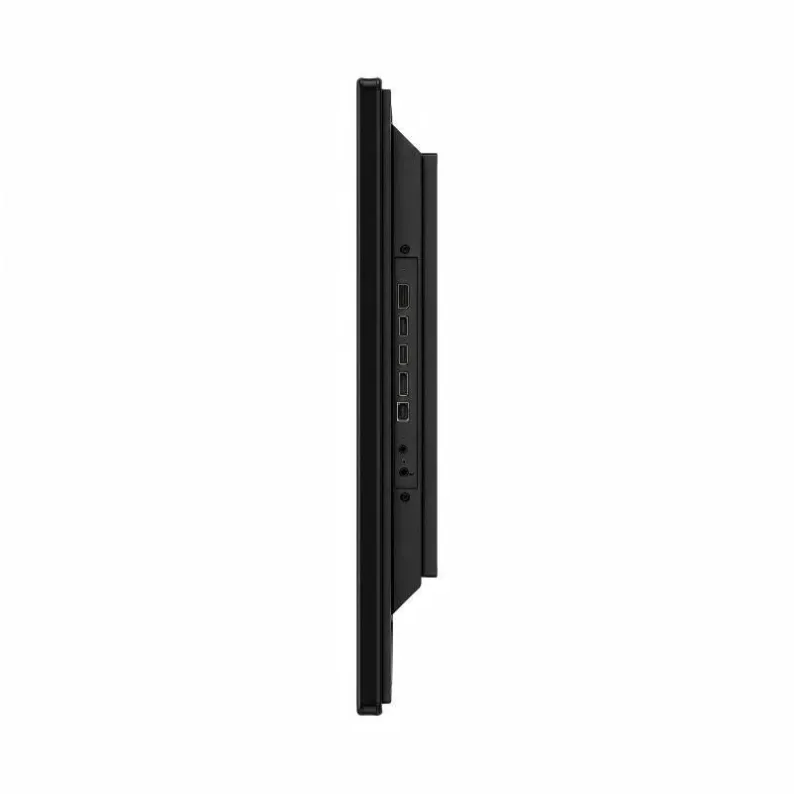
An overhead bar display is no longer just an electronic price sign. Positioned above aisles or across an atrium, it can support promotions, emergency messaging, wayfinding, and brand communication without occupying shelf or floor space.
Converting Aisle Traffic into Marketing Attention
Compared with paper posters and static light boxes, a suspended display can remain visible from a greater distance. Motion, product close-ups, and campaign graphics help draw attention while customers move through an aisle. Fresh-food departments, for example, can show preparation ideas alongside time-sensitive offers.
A connected publishing system allows staff to update content quickly. If it is integrated with approved store data, campaigns can respond to stock conditions or time of day. Split-screen layouts can combine a promotion, product recommendation, safety reminder, and QR code without requiring separate signs.
A Visible Channel for Safety Information
Shopping centers are crowded public environments. Distributed overhead displays can carry routine fire-safety messages, weather warnings, and public notices during normal operation. In an emergency, the content system can switch designated screens to evacuation instructions or risk alerts.
The display network should complement, not replace, legally required emergency signage and alarm systems. Its value lies in adding a highly visible communication layer above shelving and crowds.
Wayfinding Above the Crowd
Large retail properties can be difficult to navigate. Bar displays positioned at junctions can identify product zones, escalators, restrooms, exits, and transport connections. Because the screens are elevated, they are less likely to be hidden by fixtures or people.
Centralized publishing also helps keep location names and directions consistent. A single content change can be distributed to multiple points, reducing mismatched or outdated printed signs.
Building a Stronger Visual Identity
At key sightlines, an overhead display can carry brand stories, tenant campaigns, new-product videos, and seasonal graphics. During holidays or major promotions, coordinated content can change the atmosphere of an entire area without replacing physical materials.
The same format also suits restaurant queue displays, double-sided queue and promotional screens in service halls, passenger information systems, medical facilities, and narrow industrial installations. By activating unused vertical space, suspended LCD bar displays improve communication while preserving the layout below.
Design for Sightlines and Movement
An overhead screen is viewed while people are walking, often from below and at an angle. Content should use large type, short instructions, recognizable colors, and enough display time to be understood without stopping. Emergency or directional messages must remain distinguishable from promotional content and should not depend on subtle animation.
A sightline review should consider shelving, hanging decorations, lighting, structural beams, and the approach from both directions. The selected panel orientation and viewing characteristics should be checked from the aisle edges as well as directly underneath the screen.
Treat Overhead Mounting as a Safety-Critical Installation
The support structure, bracket, anchors, fasteners, and any secondary retention should be specified for the actual display weight and local requirements. Cable routes must be secured and protected from tension. Installation should preserve sprinkler coverage, lighting performance, access routes, and required clearances.
Plan how the screen will be isolated, inspected, cleaned, and removed without disrupting the surrounding store. Network monitoring and automatic restart reduce unnecessary access at height. Our installation and maintenance guide provides a broader checklist for mounting, ventilation, cables, and routine inspection.