Sep 2, 2026News & Insights
The Market Outlook for Ultra-Wide LCD Bar Displays
As digital information moves closer to the point of action, display formats are becoming more specialized. LCD bar displays meet this trend with a long, space-efficient canvas suited to...
The Market Outlook for Ultra-Wide LCD Bar Displays
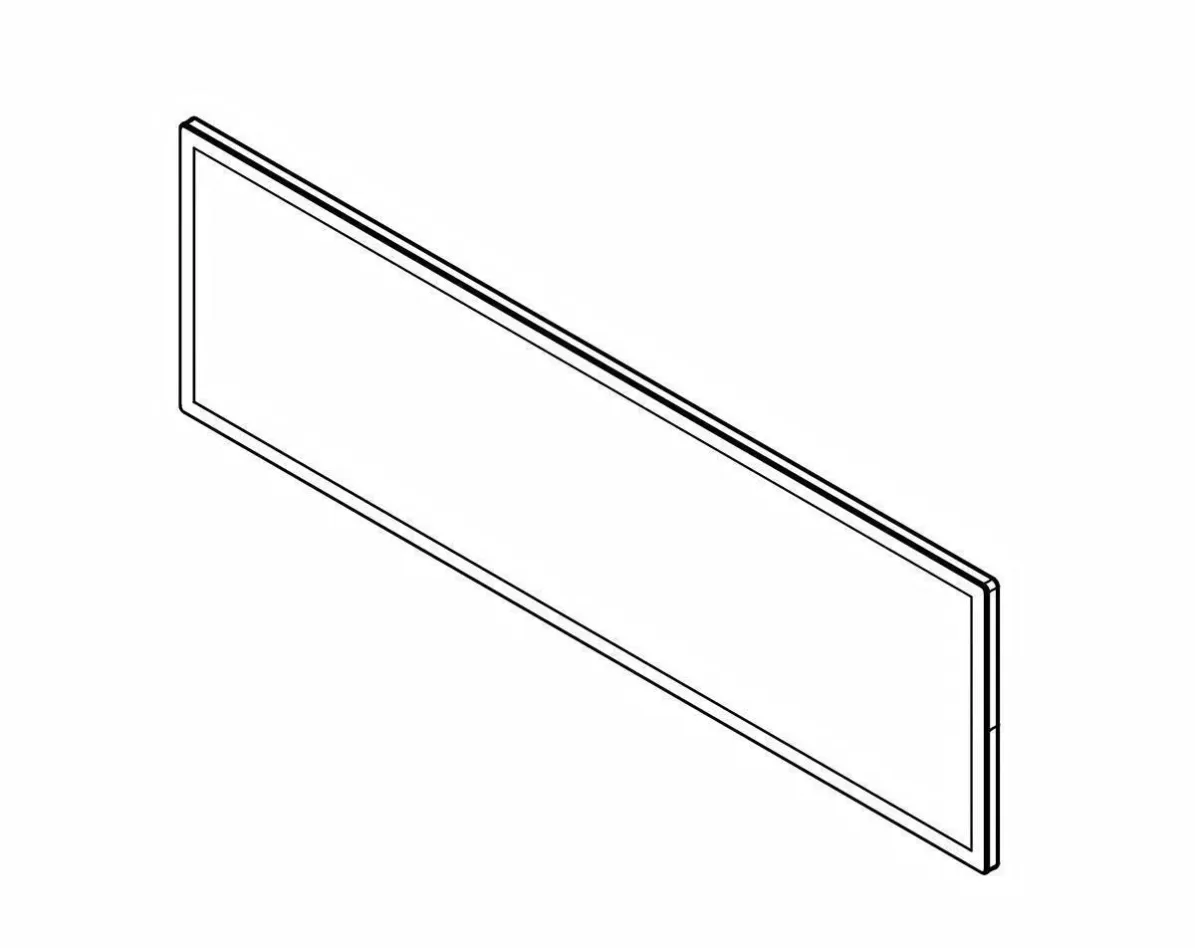
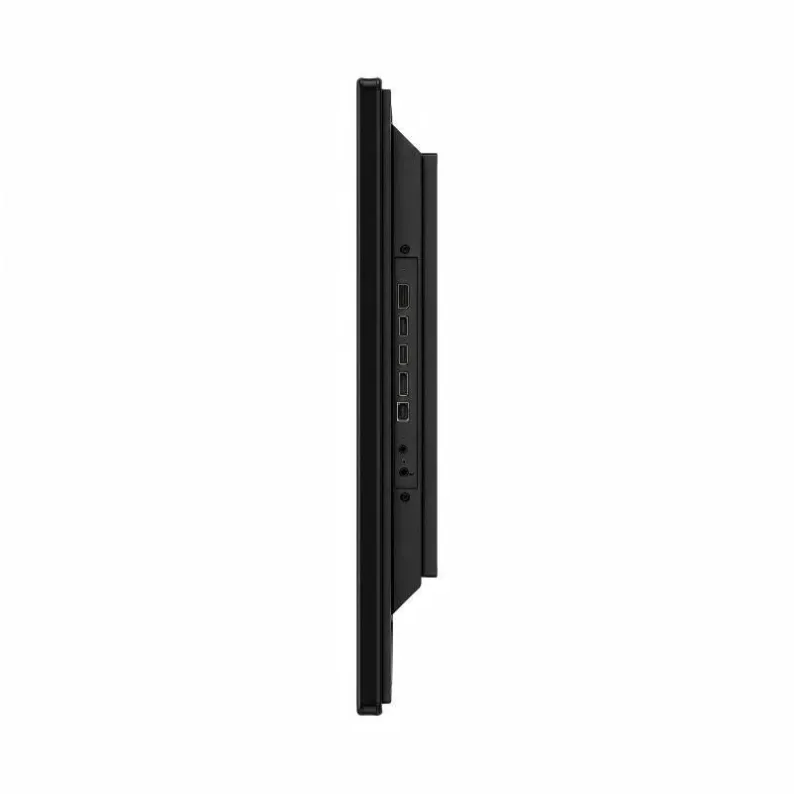
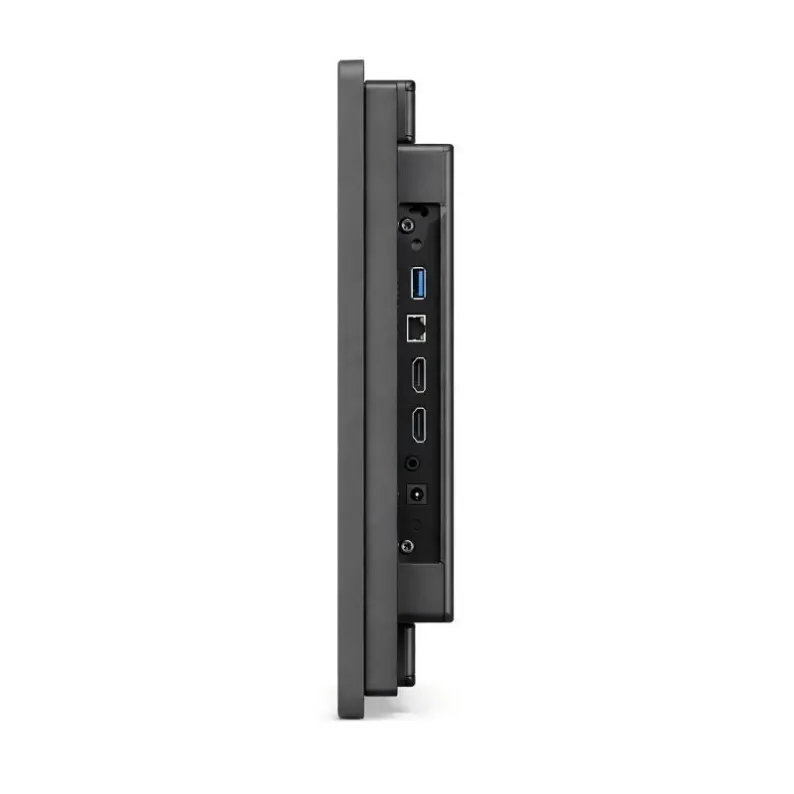
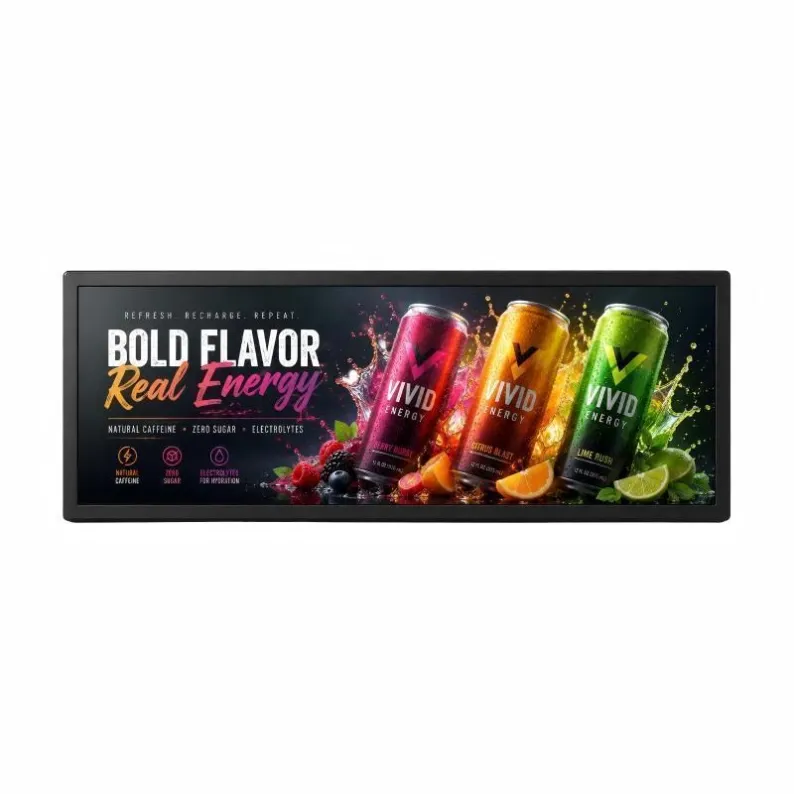
As digital information moves closer to the point of action, display formats are becoming more specialized. LCD bar displays meet this trend with a long, space-efficient canvas suited to shelves, transport interiors, industrial equipment, and architectural signage.
Performance Features Driving Adoption
Reliable Commercial Operation
Commercial models can be engineered for extended operating schedules, stable power delivery, and controlled heat dissipation. Reliability depends on component selection and environmental design, so duty cycle and site conditions should be defined before choosing a unit.
Efficient Backlighting
Modern LED backlights can provide high luminous efficiency and a long service life. Energy consumption still varies with brightness, content, panel size, and operating hours; scheduling and ambient-light control can improve efficiency further.
Automatic Image Adjustment
Compatible controllers can support brightness adjustment, timing schedules, color settings, and content playback rules. These tools help the image remain appropriate as lighting conditions and operating periods change.
Strong Contrast and Readability
A suitable panel and anti-glare treatment can improve text clarity and image depth. Contrast specifications should be compared under the same test method, as advertised dynamic values are not directly equivalent to native panel contrast.
Wider Environmental Options
Selected industrial configurations can support wider temperature ranges and vibration-resistant installation. These are project-specific options rather than universal characteristics of every bar display.
Expanding Application Areas
Retailers use the format along shelves, counters, and windows. Transportation operators use it for route maps and passenger information. Factories integrate it into machine panels and production dashboards. Banks, hospitals, hotels, and public venues use it for queues, directions, and live notices.
The outlook is strongest where content must fit the space rather than forcing the space to fit a standard screen. As content management, remote monitoring, and custom panel integration improve, bar displays are likely to become a more common component of connected commercial environments.
Practical Drivers Behind Wider Adoption
The format benefits from several observable shifts: digital information is moving closer to products and services, content platforms can address many screen shapes, and commercial fixtures increasingly incorporate electronics from the beginning. Retail shelf communication, passenger information, equipment interfaces, and architectural signage all create locations where a conventional display wastes space.
Integration is also becoming easier as media players, network publishing, and custom resolutions become more common. This does not mean every narrow location should become a screen. Adoption is strongest where frequently changing information, remote updates, or live data creates clear value over printed graphics.
Constraints That Will Shape the Market
Panel availability, non-standard resolutions, content-production effort, heat in shallow enclosures, maintenance access, and replacement consistency remain important constraints. Projects that ignore these factors can create isolated screens that are expensive to support. Standardized sizes and documented configurations may therefore grow alongside highly customized formats.
Future market evaluation should focus on evidence such as repeat deployments, software support for ultra-wide canvases, stable panel supply, service practices, and the expansion of data-driven use cases. Without a cited dataset, precise growth percentages should not be presented as fact. The durable opportunity lies in applications where the bar format solves a spatial and information problem better than conventional signage.