Sep 2, 2026News & Insights
Unlocking Retail Space and Marketing Potential with LCD Bar Displays
Conventional signage can consume valuable merchandising space and often fits poorly around shelves, showcases, and narrow aisles. A slim LCD bar display offers a different approach: it...
Unlocking Retail Space and Marketing Potential with LCD Bar Displays
Conventional signage can consume valuable merchandising space and often fits poorly around shelves, showcases, and narrow aisles. A slim LCD bar display offers a different approach: it follows the store layout and converts overlooked surfaces into digital communication points.
Making Every Inch of the Store Work Harder
Embedded and low-profile installations can align with shelves, counters, display cabinets, and ceiling structures without taking over product space. The result feels integrated with the environment instead of added as an afterthought.
Turning Overhead Space into a Digital Touchpoint
Suspended bar displays can activate the empty area above aisles and counters. With appropriate viewing angles and content sizing, they remain visible as customers move through the store. Campaigns, directions, and brand messages can run throughout opening hours without occupying the floor.
Designed for Narrow Areas
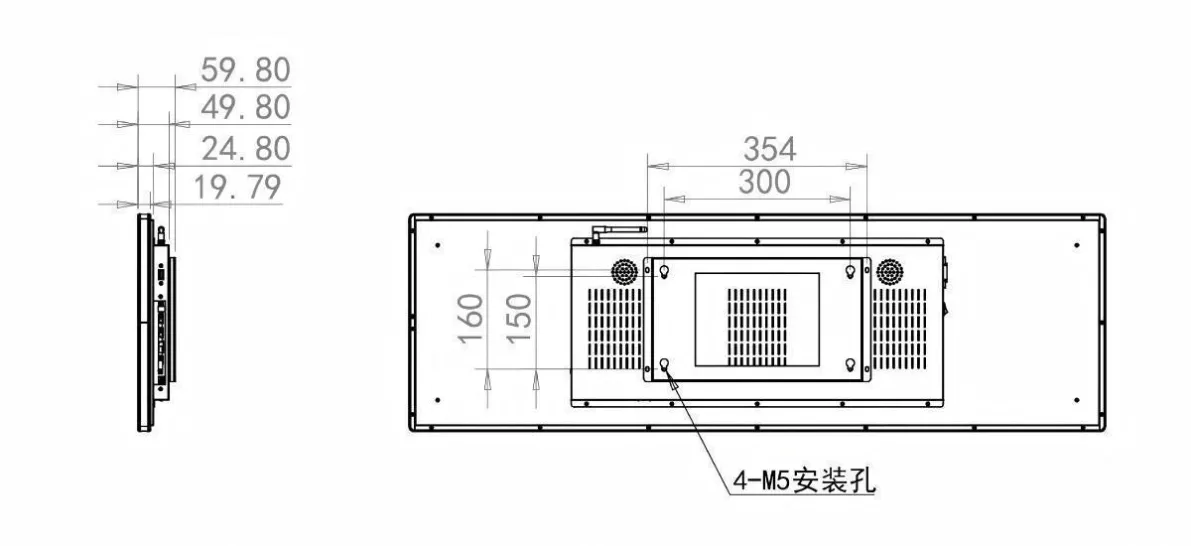
Shelf edges, gaps between fixtures, cabinet sides, and tight corridors are often unsuitable for a standard 16:9 screen. The elongated format can fit these locations while preserving circulation and product visibility. Mechanical drawings should confirm clearances, service access, heat dissipation, and protection from impact.
More Content from One Screen
A bar display can divide its canvas into several independent zones. One zone may carry video, another a product message, and another a scrolling offer or QR code. This does not mean the screen should be crowded: strong hierarchy and short messages make the format easier to understand.
When combined with remote publishing and a thoughtful installation plan, LCD bar displays help retailers use space more efficiently, update campaigns faster, and create a consistent digital experience across multiple store formats.
Design Campaigns Around the Shelf, Not a Standard Screen
Retail content should be created for the physical zone where it appears. Along a shelf, shoppers scan horizontally while comparing products at close range. Short claims, clear prices, product cues, and restrained transitions usually perform better than a conventional television advertisement reduced to a thin strip. The screen can coordinate with shelf labels and packaging rather than compete with them.
Campaign planning should also consider dwell time. A shopper passing an aisle may see only a few seconds of content, so the essential message cannot depend on watching a long sequence from the beginning. Each frame should remain understandable on its own, while the full loop can add detail for someone who pauses.
Connect Creative Decisions With Store Operations
A networked system can schedule promotions by date, department, or location, but the workflow needs ownership. Define who approves content, how pricing is checked, what happens when a campaign expires, and how offline screens are reported. This operational layer prevents dynamic signage from displaying outdated information.
Measure useful outcomes such as campaign accuracy, update time, product engagement, and the reduction of printed material. The display is most valuable when it improves communication at the shelf without blocking products or adding maintenance burdens. Our digital shelf display guide explores the product-communication role in greater detail.